The Journal · Craft & method
Does chai have caffeine? Yes — and less than your coffee
Chai is black tea, so it has caffeine. How much depends on the leaf, the dose and the boil. Here are the actual numbers, and where the spices fit in.
By Santhosh Natesan · October 24, 2026 · 3 min read
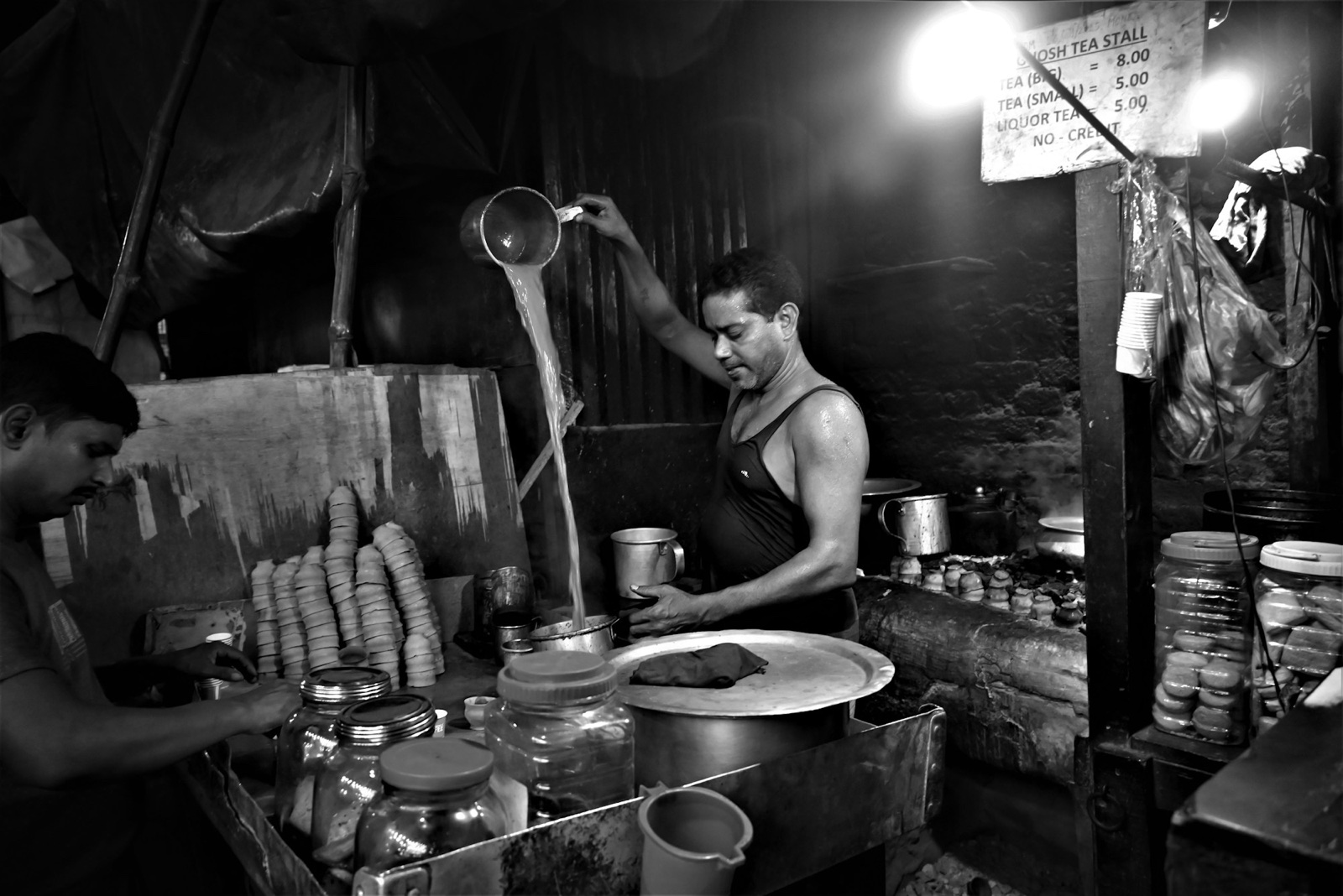
Yes. Masala chai is made with black tea, and black tea contains caffeine. The spices contribute none — cardamom, cinnamon, ginger, clove, nutmeg and black pepper are all caffeine-free. Every milligram in your cup came from the leaf.
The numbers
The US Food and Drug Administration puts black tea at roughly 71 mg of caffeine per 12 fluid ounces — about 47 mg in an 8 oz cup. For comparison, the same FDA page puts a 12 oz brewed coffee at 113–247 mg. Source: FDA.
So a cup of chai sits somewhere around half a cup of coffee. Call it a third to a half. That is the useful mental model.
Why your cup might differ
Those figures are averages for a steeped cup, and chai is not steeped. Three things move the number:
How much leaf you used
This dominates everything else. Our dose is two level tablespoons — about 10 g — for two cups, so 5 g of leaf a cup. Double the leaf and you have roughly doubled the caffeine, whatever else you do.
Boiling versus steeping
Chai is boiled, and sustained heat extracts more than a three-minute steep. Inference rather than a measured figure, but it points one way: a boiled cup will sit at the upper end of the range rather than the lower.
CTC versus whole leaf
CTC tea is crushed into small pellets with far more surface area, so it gives up its caffeine faster and more completely. Whole leaf extracts more slowly. Our pouches are CTC; the tube is whole leaf. Same dose, and the CTC cup will likely land higher.
Milk does not remove caffeine
It is a common belief and it is not true. Milk changes how the drink tastes and how fast it goes down; it does not remove caffeine. What milk does do is blunt tannins, which is why chai tastes gentler than black tea does.
Chai versus a chai latte
A cafe chai latte made from concentrate can contain surprisingly little tea. Syrups vary enormously and many are diluted heavily with milk. If you are drinking chai lattes for the lift, you may be getting less tea than you think.
Decaf chai
You can make chai with decaffeinated black tea, and it works reasonably well. The spice carries most of the character, so you lose less than you would in a plain cup of tea. Rooibos also makes a caffeine-free chai that is genuinely pleasant, though it is a different drink — softer, sweeter, without the tannic backbone.
What does not work is skipping the tea entirely and boiling spices in milk. People do it, but it is a spiced milk, not chai.
The short version
- A cup of masala chai: roughly 40–70 mg by our estimate, not a measurement, depending mostly on dose
- A 12 oz brewed coffee: 113–247 mg (FDA)
- The spices: zero
We are not going to make health claims about chai. Plenty of people do and most of it is unsourced. What we can say is what is in it, how much, and where the number comes from.